


Your lower back usually doesn’t start the day angry.
It starts with a normal commute, a few emails, a couple hours at the kitchen table, then one long meeting where you realize you have not stood up once. By mid-afternoon, you are shifting in your chair, bracing on the armrests, and wondering why sitting - the thing you are doing the most - feels like the thing your body hates the most.
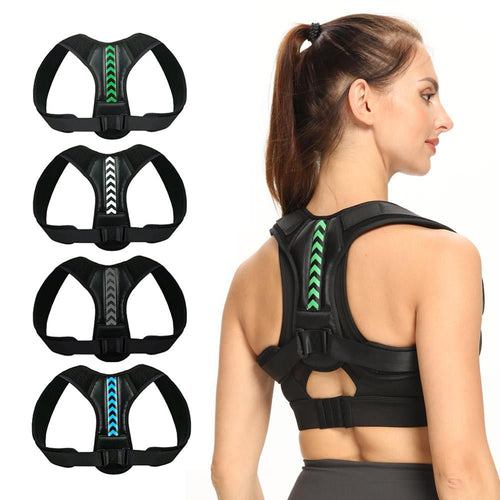
If that sounds familiar, a lower back pain belt for sitting can be a real, practical tool. Not as a magic fix. As a way to reduce strain while you work, drive, or recover after a long day.
Why sitting triggers lower back pain so fast
Sitting seems passive, but your lower back is working the whole time. When you sit, your hips flex and your pelvis tends to roll backward, especially in soft chairs or when you slide forward. That changes the curve of your lumbar spine and pushes load into tissues that were not designed to take hours of pressure without a break.
Add the common habits - leaning toward a laptop, crossing one leg, tucking a foot under the chair, or driving with one hand on the wheel - and you end up with a low-grade, all-day demand on the same small set of muscles and joints.
For a lot of people, the pain is not from one dramatic injury. It is from repetition: small stress, repeated for weeks, then a flare-up after a longer sitting day.
What a lower back pain belt for sitting actually does
A good belt does two things well: it supports and it reminds.
Support is the mechanical part. A belt can give your lumbar area more stability so your body is not constantly trying to “hold itself up” in a compromised position. For many people, that means less muscle guarding and less end-of-day soreness.
The reminder is just as important. Wearing a belt changes behavior. You slump less because you feel the belt. You stop twisting in your chair because the belt makes it obvious. You become aware of posture without thinking about posture every 30 seconds.
Some belts also include decompression-style design elements that can reduce the feeling of compression through the lower back while seated. That can be especially helpful if sitting tends to make you feel stiff and “compressed,” not just achy.
Important reality check: belts do not replace strength, mobility, sleep, hydration, or smart workstation setup. They are a tool - and when you use them strategically, they can make sitting feel more manageable.
When a belt is a smart move (and when it is not)
A belt tends to help most when your pain is position-driven: you feel worse after sitting, better after standing or walking, and your discomfort builds gradually through the day.
It can also be a strong option if you have a long drive routine, you travel often, you work at a desk, or you are returning to sitting after a strain and want extra confidence.
Where it gets tricky is when the pain is sharp, worsening quickly, or paired with symptoms like numbness, tingling, leg weakness, loss of bowel or bladder control, or pain after a fall. In those situations, do not “belt your way through it.” Get evaluated.
This is also a “use it right” product category. Wearing a belt too tight, too long, or as a substitute for movement can backfire. You want relief and support, not a dependency.
How to choose the right lower back pain belt for sitting
Here is what separates a belt you actually wear from one that ends up in a drawer.
Fit and sizing that stays put
If a belt rides up while you sit, it becomes annoying fast. Look for a design that contours to the waist and does not bunch when your hips flex. The right size should feel secure without pinching your ribs or digging into your hips.
If you are between sizes, prioritize the one that allows firm closure without maxing out the straps. You want adjustability in both directions because your waist measurement changes with breathing, meals, and even time of day.
Support level that matches your day
More rigid is not always better for sitting. If you are at a desk for eight hours, a belt that is too stiff can limit comfort and make you hyper-aware of the brace instead of your work.
A smart sitting belt typically has a supportive core with enough flexibility to move with you when you lean slightly or shift in the chair. If your job is more physical and you sit in short breaks, you might prefer firmer support.
Comfort against skin and clothing
Sitting magnifies friction. If the belt is scratchy, bulky, or traps heat, you will not stick with it.
Look for breathable materials, smooth edges, and a low-profile build that fits under a shirt. If you plan to wear it on longer drives, comfort matters even more because you cannot “adjust your setup” the way you can at a desk.
Decompression-style features (when they matter)
Some belts focus purely on compression and support. Others are built to create a decompression effect - a feeling of lift and space in the lower back.
If your main complaint is that sitting makes you feel compressed, stiff, or locked up, decompression-oriented designs can be a better match. If you mainly want stability and posture control, a simpler supportive brace can be enough.
How to wear a lower back pain belt for sitting (so it helps)
Most people get mediocre results because they wear it like a weightlifting belt - too high, too tight, and for too long.
Start by placing the belt low enough to support the lumbar area without jamming into your ribs when you sit. Tighten it to “firm and supportive,” not “I cannot take a full breath.” You should be able to inhale normally and move your hips.
If you are using it at a desk, wear it during the highest-risk windows: long meetings, deep-focus work blocks, or afternoon periods when you usually start slumping. Then take it off for breaks and movement.
A simple approach that works for many people is 60-90 minutes on, then a short walking break and a few minutes off. You are aiming to reduce strain while still letting your core do its job the rest of the day.
Make the belt work better with a better sitting setup
A belt can help, but you will get faster relief if your chair and habits are not actively sabotaging you.
If your chair is low, your hips sit below your knees, and your pelvis rolls back. Raising your seat height or using a firm cushion can reduce the slumped posture that irritates the lower back.
If your feet do not sit flat, your hips rotate and your low back compensates. A footrest or even a sturdy box can fix that instantly.
If your screen is low, you lean forward and your lower back pays the price. Get the screen up closer to eye level and bring the keyboard to you.
And yes, standing breaks help - but you do not need a perfect routine. Even two minutes every half hour changes the load pattern on the lumbar spine.
What results to expect (and what to ignore)
A good belt often provides the first benefit quickly: you feel more supported and you stop searching for a “pain-free position.” That can happen the first day.
More meaningful progress is usually about consistency. Over a couple weeks, you may notice fewer flare-ups after long sitting days, less end-of-day stiffness, and better posture habits because you have a physical cue.
What you should ignore are overpromises that a belt will “fix” every type of back pain or permanently correct posture by itself. The best use case is simple and honest: reduce strain while sitting and make daily life easier.
A product category built for real life
If you are shopping for a belt, you are probably not trying to become a back-pain expert. You want something you can put on, sit down, and feel a difference.
That is why decompression and orthopedic support belts are a core part of what we build at Neurogena - professional-grade, at-home tools designed for the exact moments that trigger discomfort: long sitting, long driving, post-workout tightness, and daily wear-and-tear.
As always, these products are wellness and comfort supports, not medical treatments. If your symptoms are severe, new, or worsening, get medical guidance.
The trade-off: support vs. long-term resilience
Here is the nuance most brands will not say out loud: if you wear a belt all day every day, your body can get lazy. Not because belts are bad, but because your core and hip stabilizers do less work when the belt does more.
The best strategy is to treat your belt like a performance tool. Use it when sitting is non-negotiable and your back needs backup. Then earn your resilience back with small daily habits: walking, gentle hip mobility, glute activation, and basic core endurance.
You do not need a full workout plan to get benefits. Even a short routine after work - a walk, a few stretches, and a little movement that opens the hips - can make the next sitting day feel dramatically better.
The goal is not to sit perfectly. It is to sit without paying for it later.
Closing thought: if sitting is your job, comfort has to be part of your system, not a once-in-a-while fix. A well-fitted belt is one of the quickest upgrades you can make - especially when you use it to support better habits, not replace them.