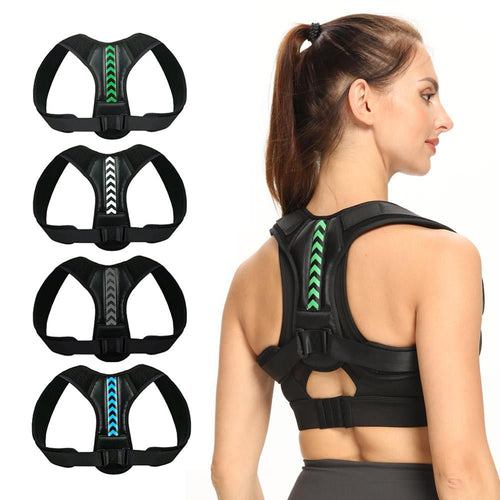



If your lower back starts talking after a long desk day, a tough workout, or an afternoon of lifting, the wrong belt can make an already frustrating problem feel worse. Too stiff, and it digs in. Too loose, and it does almost nothing. Too bulky, and it ends up in a drawer after a week.
That is why a real guide to choosing back support belt options starts with one simple question: what do you actually need help with? Daily posture strain is different from post-workout recovery. Long hours of sitting are different from bending, carrying, and standing all day. The best belt is not the one with the most straps or the hardest shell. It is the one that matches your routine, fits your body, and gives support you will actually use consistently.
A practical guide to choosing back support belt options
Most people shop for a back belt when pain or tightness is already interrupting their day. They want fast relief, not a lecture. That makes sense. But choosing well means looking past the headline claim and focusing on three things: support level, fit, and intended use.
A lighter support belt is often better for daily wear, desk work, travel, or mild posture fatigue. It gives your lower back some reinforcement without feeling restrictive. A more structured option can make more sense if you deal with recurring strain after activity, heavier physical work, or more intense lower back discomfort. The trade-off is mobility. More support often means less flexibility, so the right choice depends on when and how you plan to wear it.
Material matters more than many people expect. Breathable fabrics usually win for all-day comfort, especially if you run warm or plan to wear the belt under clothes. More rigid designs can feel more secure, but they may also feel hotter, bulkier, or less forgiving when you sit down. If a belt feels miserable after 20 minutes, it does not matter how advanced it looks on the product page.
Start with your main pain trigger
The fastest way to narrow your options is to identify the pattern behind your discomfort. If your back tightens after sitting, you may benefit from a belt that encourages better posture and gives steady lower back support without locking you into place. In that case, a slimmer profile and moderate compression are usually more practical than a heavy-duty brace.
If your problem shows up after workouts, yard work, warehouse shifts, or lifting, you may want more structure and more noticeable stabilization. A decompression-focused design can also be worth considering if your lower back feels compressed, fatigued, or irritated after repeated strain. For many adults, that extra lift and support is what turns a rough afternoon into a manageable one.
If you are in the middle, do not automatically choose the strongest belt you can find. Overbuying can backfire. Some people need support that moves with them, not a device that makes every bend awkward. The best results usually come from matching the belt to the most common use case, not the worst day you have had all year.
For desk workers and drivers
Look for comfort first. A belt for long sitting should feel supportive but still let you breathe, twist lightly, and stay comfortable through meetings, commuting, or travel. Low-profile construction and adjustable compression tend to work best here.
For active recovery and workouts
You want a belt that helps after strain, not one that only looks serious. Adjustable support, secure fastening, and a design that does not shift during movement are usually more useful than extra bulk.
For physically demanding jobs
Durability becomes a bigger factor. Repeated bending, lifting, and long standing hours put more pressure on materials, closures, and edge comfort. A belt that holds up daily is worth more than one that feels impressive for the first few wears.
Fit is where most people get it wrong
A back support belt can only help if it fits properly. This is where many shoppers miss the mark. They either size down for a tighter feel or size up because they are worried about discomfort. Both can lead to poor support.
A good fit should feel secure around the lower back and midsection without pinching, rolling, or cutting into your ribs or hips. You should feel supported, not squeezed flat. If the belt rides up when you sit, shifts when you walk, or loosens quickly, the fit is probably off or the design is not right for your body shape.
Measure exactly the way the brand recommends, and do not guess based on your jean size. Belt sizing is rarely that simple. If you are between sizes, think about how you will wear it. For compression and more locked-in support, some people prefer the snugger option. For longer wear or layering over clothing, the larger size may be more comfortable. It depends on your body and your routine.
What features actually matter
A lot of product pages throw around the same promises, but not every feature changes your real-life experience. Start with adjustability. A belt with easy, secure adjustment gives you more control over pressure throughout the day. That matters because your ideal fit at 8 a.m. may not be your ideal fit after lunch or after a workout.
Next, pay attention to support design. Some belts focus on simple compression. Others add targeted structure through support panels, stabilization zones, or decompression-oriented construction. Compression can help with comfort and a feeling of security. Decompression-focused support may feel better for people who deal with pressure and fatigue in the lower back after long periods of strain.
Closures matter too. If the fastening system is hard to use, it becomes a daily annoyance. Strong hook-and-loop closure is popular because it is simple, adjustable, and quick. For everyday shoppers, convenience matters. The easier a belt is to put on correctly, the more likely you are to use it consistently.
This guide to choosing back support belt designs should include one more question
Will you actually wear it?
That sounds obvious, but it is where the best buying decisions happen. Many people buy based on maximum support, then stop using the belt because it feels bulky, hot, or inconvenient. A slightly lighter, better-fitting option used regularly can be far more helpful than an ultra-rigid brace used twice.
If you want something for everyday pain management and recovery at home, look for a professional-grade feel without clinic-level complexity. That is why many shoppers prefer supportive decompression belts that are simple enough for daily use after sitting, exercise, or recurring lower back strain. The right product should fit into real life, not demand a whole new routine.
When a decompression belt may make more sense
Not every back belt is built the same. Standard support belts usually focus on compression and stabilization. Decompression-style belts are different. They are designed to help reduce the feeling of pressure in the lower back while also supporting the area.
For people dealing with recurring discomfort from long sitting, physical activity, or day-to-day strain, that can be a meaningful difference. If your back often feels jammed, tired, or compressed by the end of the day, a decompression approach may be more aligned with what your body is asking for.
This is one reason shoppers looking for at-home relief often compare everyday braces with decompression therapy belts. A more advanced support option can make sense if you want something that feels closer to a professional-grade recovery tool instead of a basic elastic wrap. If that is your goal, exploring options at Neurogena.us can help you compare support styles built for daily pain relief and faster recovery.
A few realistic buying expectations
A belt is a support tool, not a magic fix. The right one can help you feel more stable, more comfortable, and more capable during the day. It can also support recovery after strain. But results still depend on fit, consistency, activity level, and the kind of discomfort you are dealing with.
If your pain is severe, persistent, or changing quickly, do not rely on a belt alone. Wellness products can support comfort and recovery, but they are not a substitute for medical evaluation when something more serious may be going on.
That said, many people do not need something complicated. They need a reliable back support solution they can use at home, after the gym, at work, or during long hours on their feet. That is a practical goal, and the right belt can absolutely help.
Choose the belt that fits your actual life, not the one with the loudest claim. Relief gets a lot more realistic when support feels good enough to use tomorrow too.