


If your back brace rides up, digs into your ribs, or feels loose by lunchtime, the problem usually is not the brace - it is the size. If you are asking, what size back brace do I need, the right answer starts with measurement, not guesswork.
A brace that is too small can create pressure points, limit breathing, and feel impossible to wear for more than a few minutes. A brace that is too large will shift around, lose support, and leave you wondering why it is not helping. Getting the size right is what turns a brace from something you try into something you actually use.
What size back brace do I need for real support?
Most people assume back brace sizing works like T-shirt sizing. It usually does not. The correct size is based on the part of your body the brace is designed to support, which is often your waist, lower abdomen, or lower back circumference rather than your pant size.
That matters because clothing sizes vary a lot between brands, and many people wear pants above or below their natural waist. A support brace needs a closer match than casual clothing. If the product page gives a sizing chart, that chart should always beat your usual size label.
For most lower back braces, you will need a soft tape measure and two minutes. Measure around the area where the brace will sit, usually around your navel or slightly lower. Pull the tape snug, but not tight enough to compress your skin. Write the number down and compare it directly to the brand's chart.
If you land between sizes, the best choice depends on the brace design. For a highly adjustable brace with strong hook-and-loop closures, going down can work if you want firmer compression. For a more rigid support belt or decompression-style product, sizing up is often safer if you want comfort for longer wear. This is where product details matter.
How to measure for the right back brace size
Start standing in a relaxed posture. Do not suck in your stomach, and do not measure over a bulky sweatshirt. Use a thin shirt or measure directly over bare skin for the most accurate result.
For a lumbar brace, measure your waist circumference at the point listed by the manufacturer. Some braces use the natural waist. Others use the hips or lower abdomen. If the sizing page says measure at the belly button, use that exact spot. If it says around the widest part of the hips, follow that instead. A half-inch difference can change how the brace performs.
Take the measurement twice. If the numbers are different, measure a third time and use the average. That sounds small, but it can save you from ordering a brace that feels wrong the moment you strap it on.
If your body shape carries more weight in the midsection, pay extra attention to chart notes. Some braces are cut for a straighter torso, while others have more flexibility through the front panel. Two people with the same waist number can have very different fit experiences depending on torso length, hip shape, and where they feel pain.
Common sizing mistake: using pants size
Pants size is one of the least reliable ways to choose a back brace. Vanity sizing, stretch fabrics, and rise height all distort the number. A person who wears a size 34 in one brand might measure 36 or 38 inches where the brace actually sits.
The same goes for guessing based on height and weight. Those numbers may help with general recommendations, but they should not replace a direct measurement.
Common sizing mistake: choosing extra tight for more relief
More compression does not always mean better support. If a brace is too tight, it can bunch up when you sit, irritate the skin, and make regular wear less likely. The best brace is one you can wear consistently during work, walking, chores, or post-workout recovery.
A properly sized back brace should feel supportive and secure, not punishing. You should notice stability without feeling squeezed out of normal movement.
Signs your back brace size is correct
A well-fitted back brace stays in place during basic movement. It should not slide upward every time you sit down or twist sideways when you walk. You should be able to tighten it enough to feel support, then loosen or readjust it without running out of strap length.
The fit should feel balanced. The front closure should meet comfortably without forcing the material to overlap too much or barely reaching at all. If the support panels sit where they are supposed to, and the brace feels stable for more than a few minutes, you are likely close to the right size.
You also want room for real life. Many people wear a brace during desk work, driving, standing, light activity, or after exercise. If the brace only feels tolerable when you are perfectly still, it may be too small, too rigid for your needs, or simply the wrong design.
What size back brace do I need if I am between sizes?
This is where most shoppers hesitate, and for good reason. Being between sizes is common. The better choice depends on how you plan to use the brace.
If you want stronger compression for shorter periods, a smaller size may give a more locked-in feel, especially if the brace has elastic panels and generous adjustability. If you want all-day comfort, easier breathing, or room for layering over clothing, the larger size is often the smarter pick.
Body changes matter too. If your waist measurement fluctuates through the day because of bloating, meals, or posture, do not size based on your smallest morning number. Size for the range you actually live in.
For recovery-focused support, comfort usually wins. A brace that feels slightly forgiving but stays secure is more useful than one that feels intense for 20 minutes and then ends up in a drawer.
Different back brace types fit differently
Not every brace should fit the same way. A soft posture brace, a lumbar support belt, and a decompression belt all have different goals.
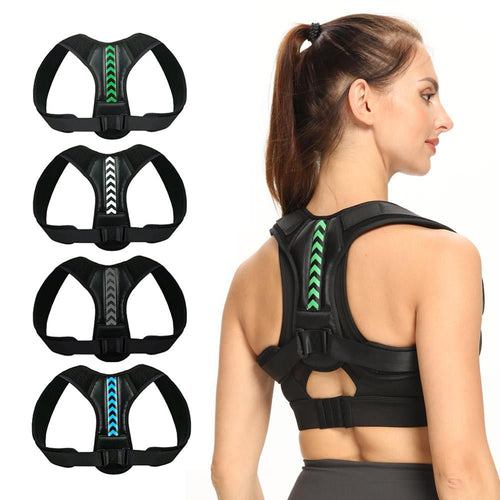
A lightweight posture brace often sits higher on the torso and focuses on shoulder positioning and upper back alignment. If it is too tight, it can dig under the arms. If it is too loose, it will not cue your posture consistently.
A lumbar support brace is usually more centered around the lower back and abdominal area. It should feel stable through bending, standing, and sitting, with enough tension to support the core without restricting every movement.
A decompression-style belt is more specialized. These products are built to create a lifting, unloading effect through the lower back area. Because of that, sizing becomes even more important. Too small, and the belt may feel harsh or hard to position. Too large, and you may lose the intended support. If you are shopping for a more structured decompression product, follow the product chart exactly and do not assume another brace size will transfer over.
That is one reason shoppers looking for professional-grade at-home support often start with a product page that clearly explains measurements and fit. At Neurogena.us, sizing guidance matters because decompression and support only work well when the fit is right.
When the size is right but the brace still feels wrong
Sometimes the size is correct, but the product is not the best match for your body or your routine. If you have a shorter torso, a taller brace can press into the ribs or hips even in the right size. If you sit for long stretches, a rigid brace may feel awkward despite proper measurement.
This is not always a sizing failure. It can be a style mismatch. Someone with mild daily strain from long desk hours may do better with a flexible support brace. Someone dealing with heavier lower back fatigue after lifting or workouts may want a stronger belt with more structure.
Pay attention to where you need relief, how long you plan to wear the brace, and whether you need compression, posture support, or decompression. Size gets you close. Product type finishes the job.
A simple way to choose with confidence
If you want the shortest path to the right fit, use the product's measurement instructions, compare your number to the chart, and be honest about how you will wear it. Do not size by clothing. Do not choose the tightest option just because it sounds stronger. And if you are between sizes, think about comfort and use time, not just pressure.
The right brace size should help you move through the day with more support and less second-guessing. When a back brace fits correctly, it stops being another thing to manage and starts doing what you bought it for - helping your back feel more stable, more comfortable, and easier to recover.